
Discover Banswara
The City of Hundred Islands
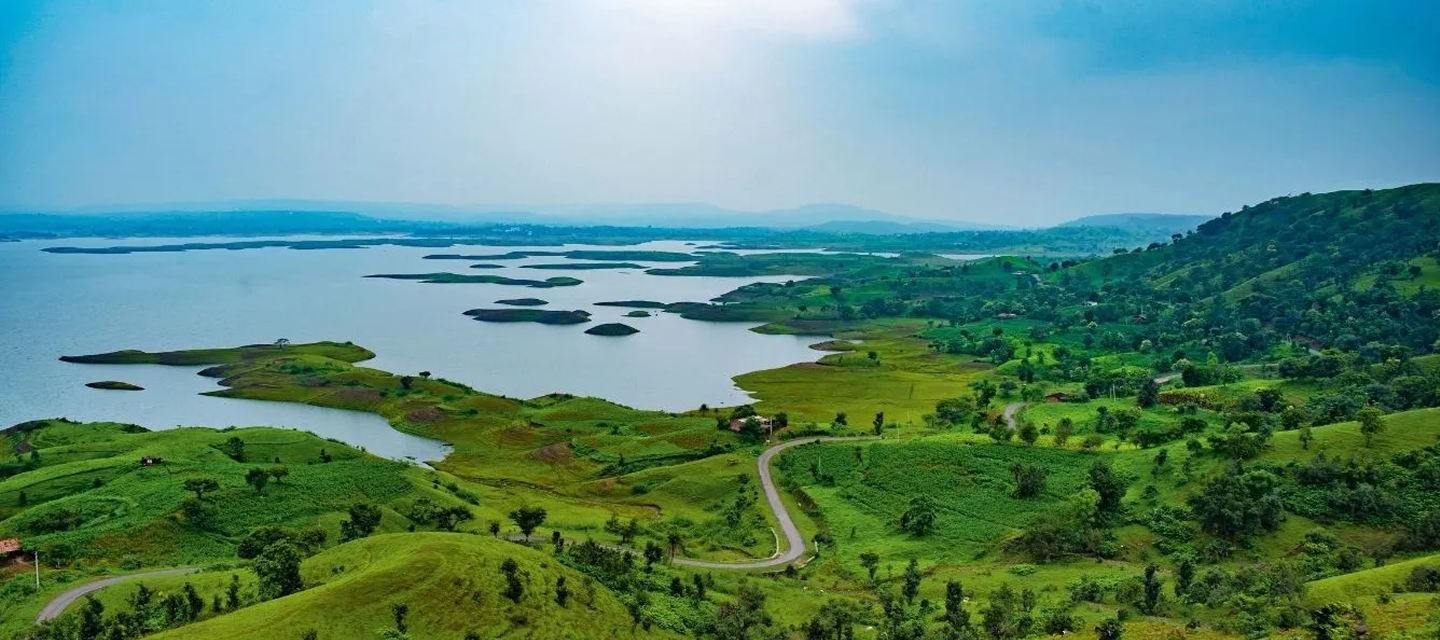
Nestled in southern Rajasthan, Banswara is a hidden gem known as the “City of Hundred Islands.” Blessed by the scenic Mahi River, the region stands out with its lush greenery, flowing water, and peaceful surroundings—offering a refreshing contrast to Rajasthan’s typical desert landscape. Rich in tribal culture, especially of the Bhil community, Banswara offers a unique blend of nature and heritage. From serene spots like Anand Sagar Lake to spiritual sites like Tripura Sundari Temple and scenic views at Kagdi Pick Up Weir, it’s a perfect destination for a calm and authentic getaway, and while you explore the beauty of Banswara, Utsav Hotel and Restaurant ensures your stay and dining experience are just as memorable.
Spiritual Retreat of Banswara
Sai Baba Temple
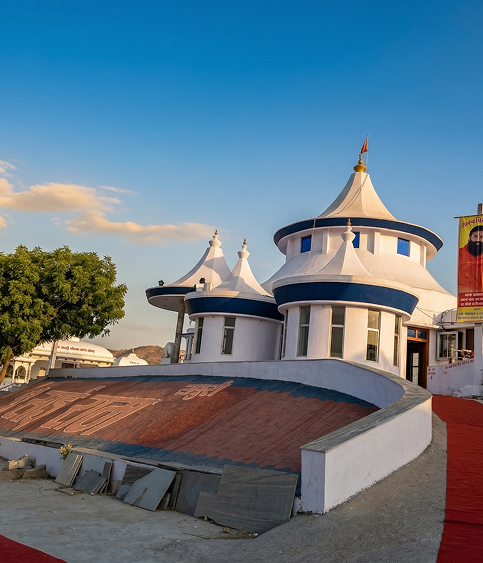
Located on Ratlam Road, opposite Kagdi Pick Up Weir, the Sai Baba Temple in Banswara is a serene and spiritually uplifting destination. Built on a small hill and crafted beautifully in marble, the temple is dedicated to Shri Sai Baba and offers a calm, peaceful environment away from the city’s bustle.
The temple houses a magnificent idol of Sai Baba made from pristine white stone, complemented by elegant architecture and detailed carvings. Its clean surroundings and tranquil atmosphere make it an ideal place for relaxation, prayer, and spending quality time with family.
Sacred Shakti Peetha of Banswara
Tripura Sundari Temple
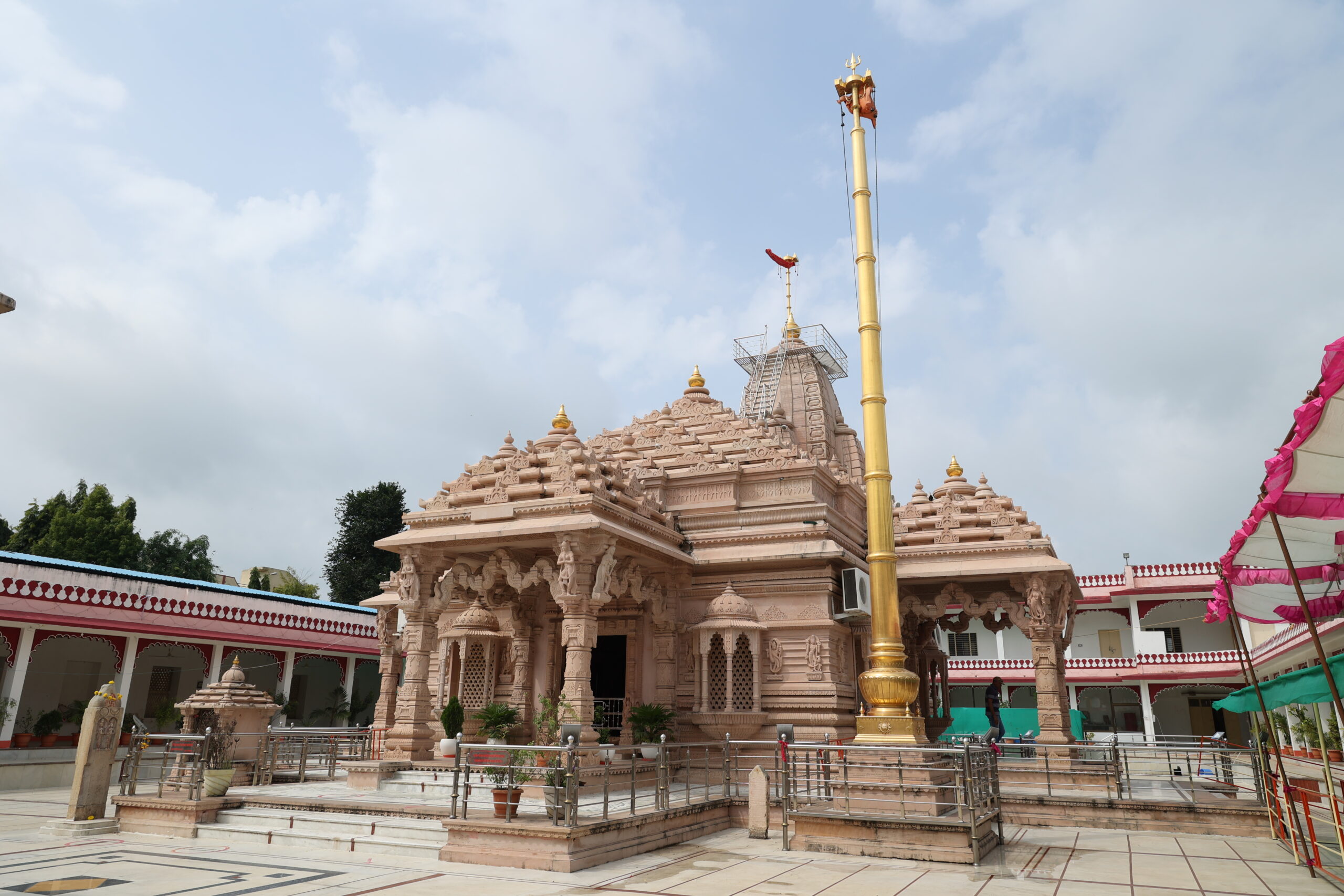
Located in Banswara, the Tripura Sundari Temple—also known as Tartai Mata—is a revered spiritual site dedicated to Goddess Tripura Sundari. The temple features a striking black stone idol of the goddess with 18 arms, seated on a tiger, symbolizing power and divinity.
Believed to be one of the sacred Shakti Peethas and dating back to ancient times, the temple attracts devotees from across India. Its divine atmosphere and deep-rooted history make it one of the most important and cherished places to visit in Banswara.
A Hilltop Journey of Faith
Samai Mata Temple
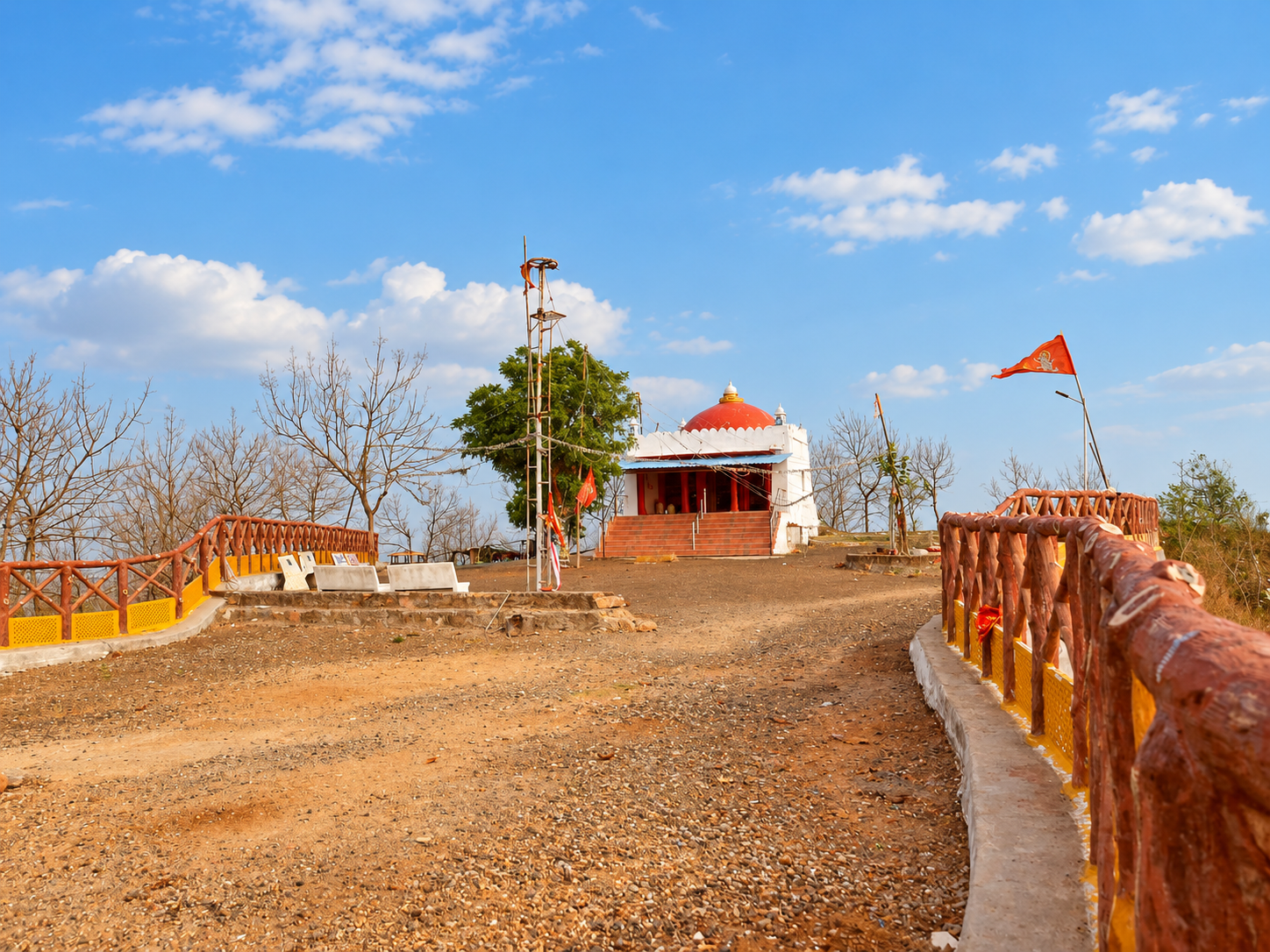
Located in Bhapor, around 4 km from Banswara city, Samai Mata Temple is a centuries-old hilltop shrine reached by climbing nearly 400 steps. Believed to be around 300 years old, the temple is associated with an ancient neem tree and sacred Pindi.
Combining spirituality with scenic beauty, the temple offers panoramic views of the surrounding landscape and attracts a large number of devotees, especially during Navratri.
A Hidden Natural Wonder
Ram Kund
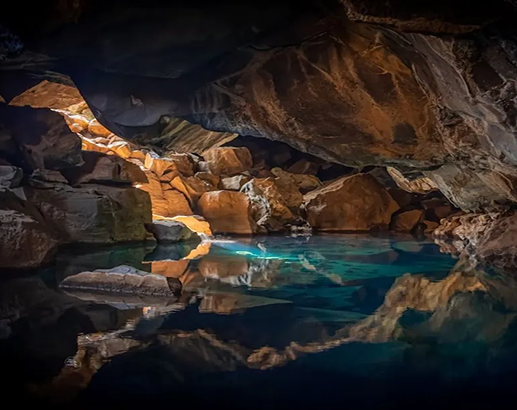
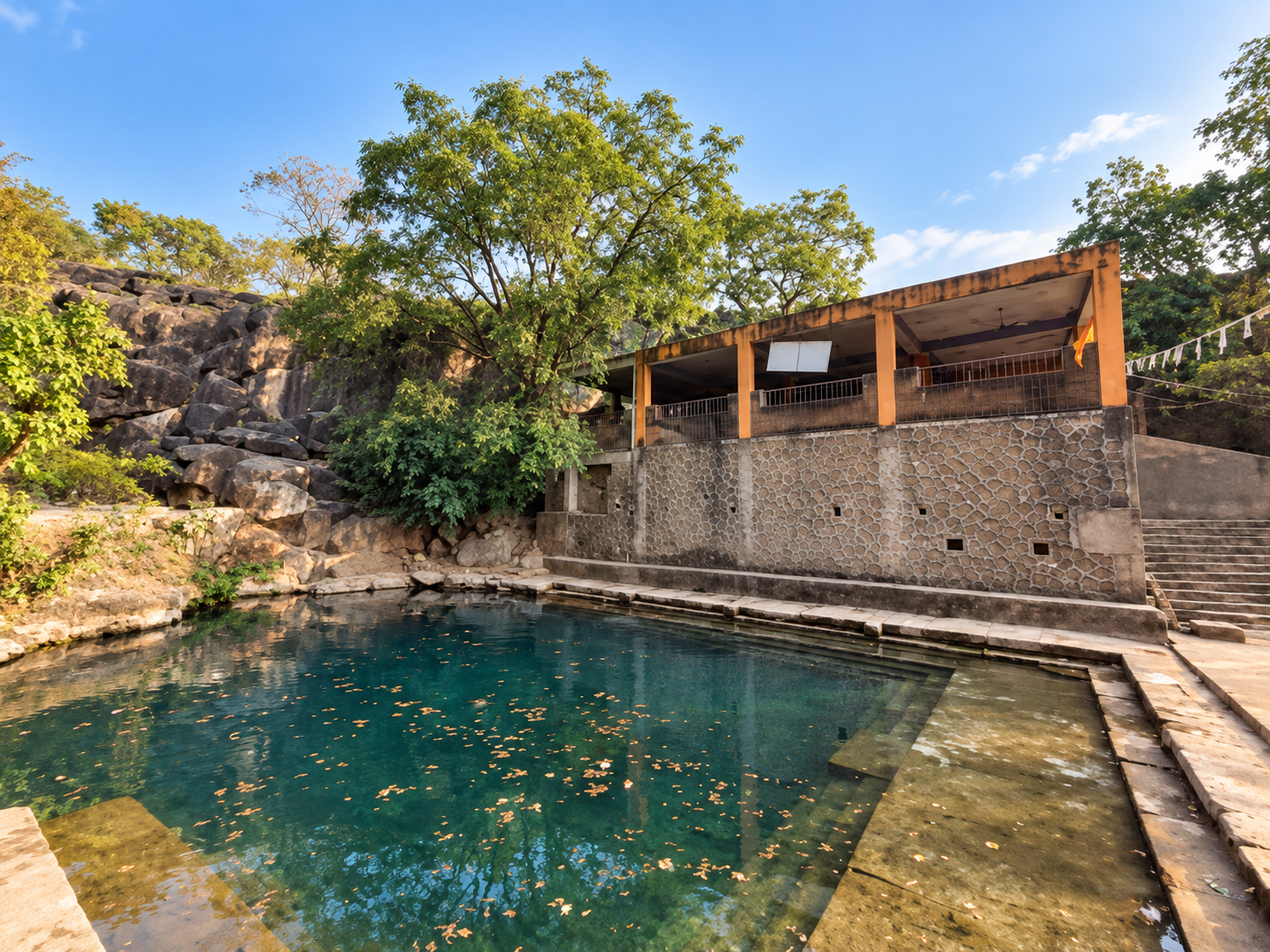
Located near Banswara, Ram Kund—also known as Phati Khan—is a unique natural site set inside a cave beneath a hill. Surrounded by scenic landscapes, the natural water pool remains cool throughout the year and never dries up. Steeped in legend, it is believed that Lord Rama stayed here during his exile, while history also connects the cave to Tatya Tope during the 1857 uprising. Reaching the site involves a short trek, making it an ideal destination for nature lovers and explorers, especially during the monsoon season.
Where Mythology Meets Nature
Bhim Kund
Located near Talwara, Bhimkund is a naturally formed water pool surrounded by rugged rocks, caves, and lush landscapes. According to local legend, the Pandavas stayed here during their exile, and Bhima created the water source with his mace for Draupadi.
With its natural rock formations, sacred Shivlinga, and mythological significance, Bhimkund offers a fascinating blend of spirituality, history, and untouched natural beauty.
Where the Islands Meet the Hills
Chacha Kota
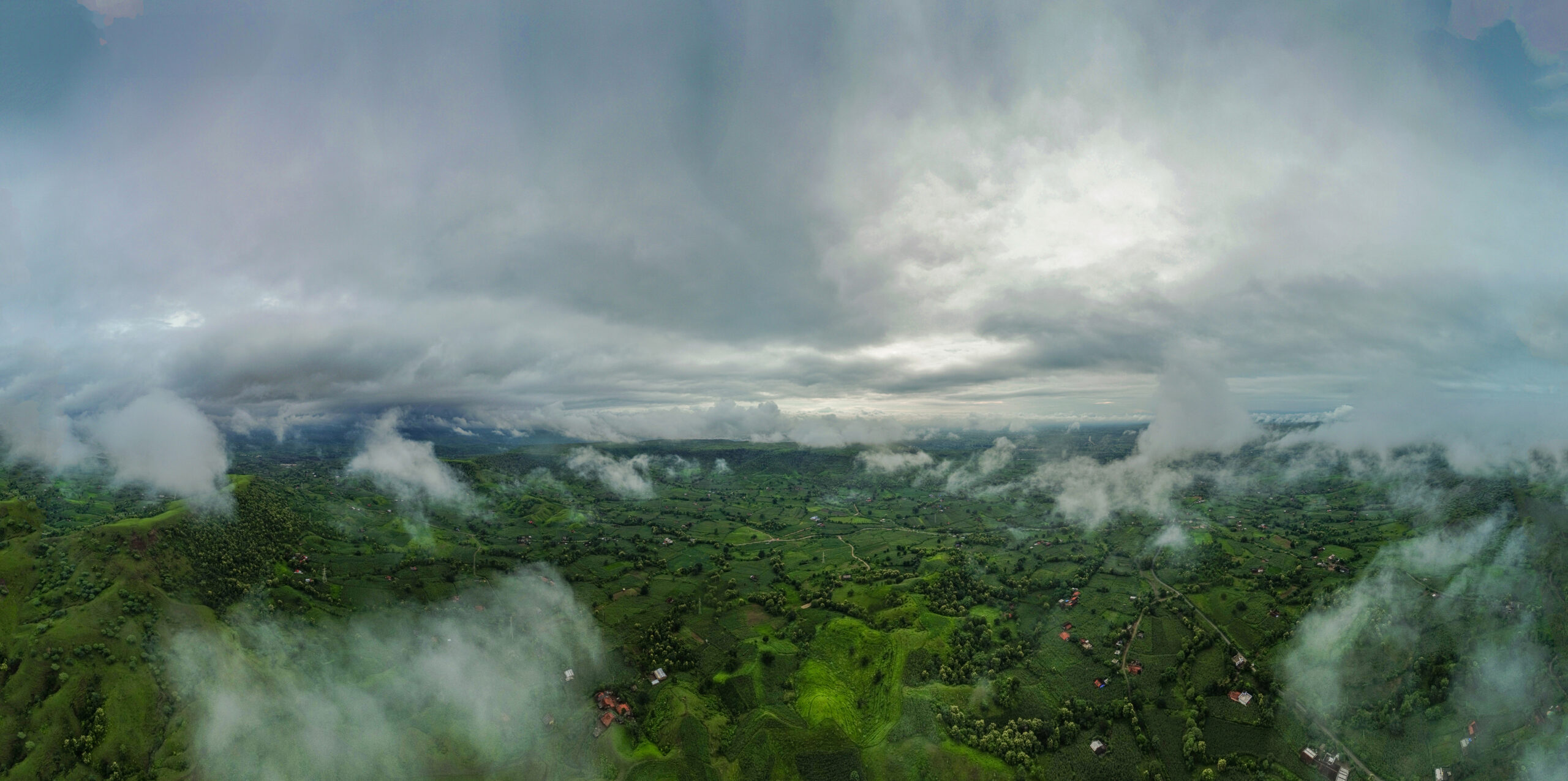
Located around 14 km from Banswara, Chacha Kota is a scenic getaway nestled along the backwaters of the Mahi Dam. Surrounded by calm waters, rolling green hills, and numerous small islands, it beautifully captures why Banswara is known as the “City of Hundred Islands.”
Especially picturesque during the monsoon and winter months, Chacha Kota is an ideal escape for nature lovers, photography, and peaceful moments by the water.
A Timeless Legacy in Stone
Arthuna Temples
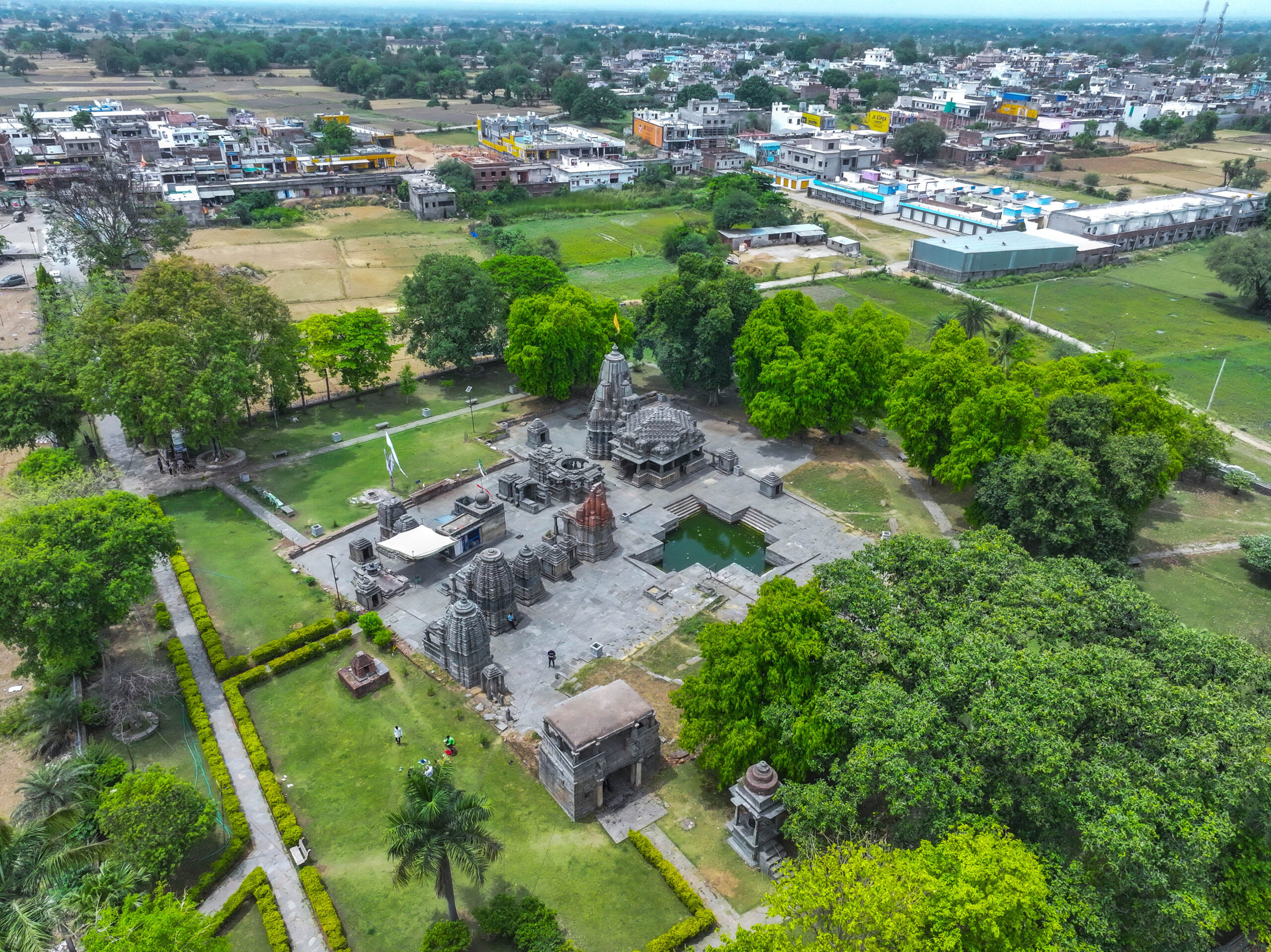
Located near Banswara, Arthuna Temples are an impressive group of ancient temples dating back to the 11th and 12th centuries. Once known as Utthunaka, Arthuna served as an important centre of the Paramara rulers of the Vagad region.
The complex features beautifully carved temples dedicated to Lord Shiva, Hindu goddesses, and Jain Tirthankaras. With intricate stone architecture and centuries of history, Arthuna offers visitors a fascinating glimpse into the rich cultural and architectural heritage of the Banswara region.
A Legacy of Royal Grandeur
Shri Mahal – Banswara Fort
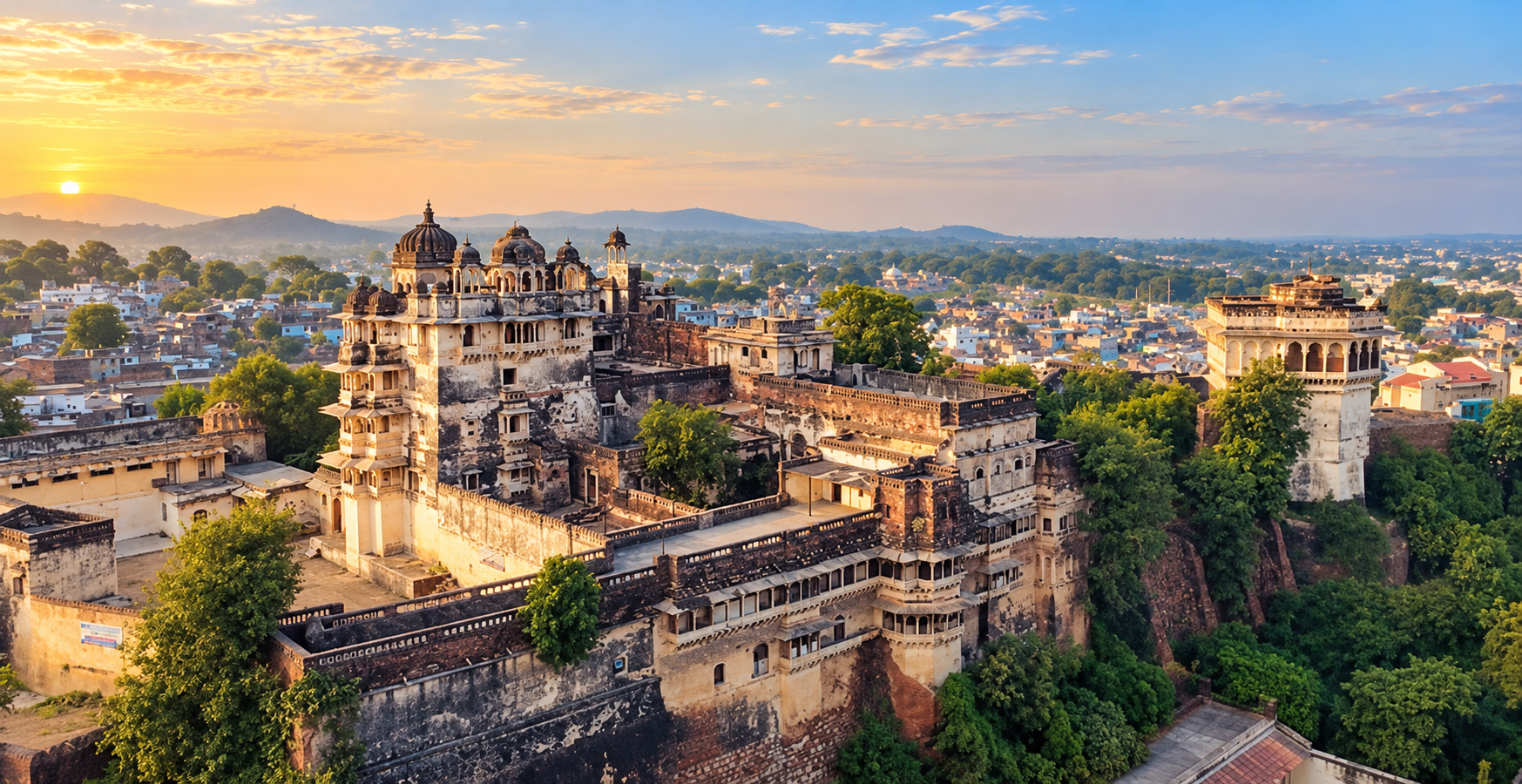
Shri Mahal, also known as Banswara Fort, City Palace, or Raj Mandir, is a historic royal residence dating back to the 16th century. Established during the reign of Maharawal Jagmal Singh, it served as the residence and administrative centre of Banswara’s royal rulers.
With its traditional Rajput architecture and commanding presence, Shri Mahal reflects the region’s royal past and offers a glimpse into the centuries-old heritage of Banswara.
A Scenic Water Escape
Mahi Dam
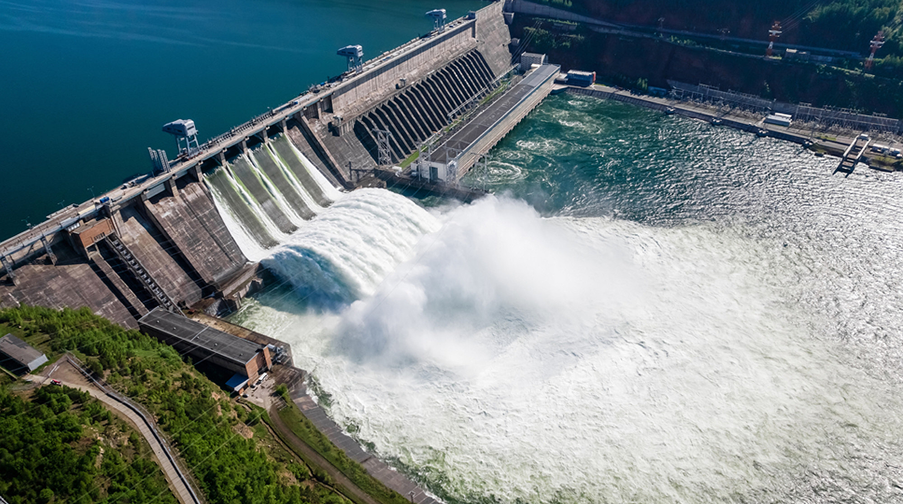
Located about 16 km from Banswara, Mahi Bajaj Sagar Dam is built across the Mahi River. Constructed between 1972 and 1983, it plays a vital role in hydroelectric power generation and water supply. Known as the longest and second-largest dam in Rajasthan, it stands as an impressive blend of engineering and scenic beauty, making it a popular attraction for visitors.
A Sacred Island of Faith
Baneshwar Dham
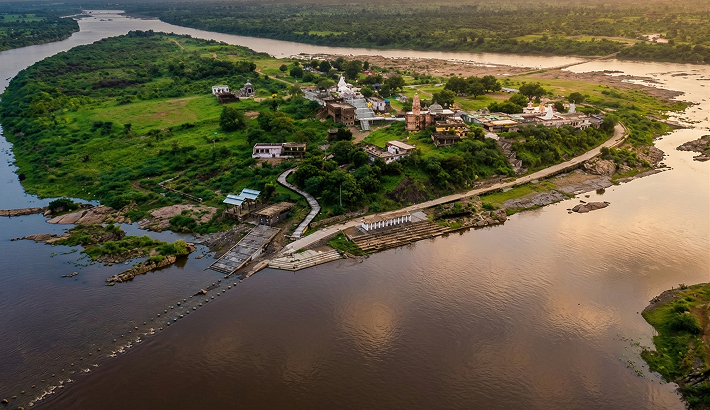
Located in Banswara, Baneshwar Dham is a spiritual island formed at the confluence of the Mahi River, Som River, and Jakham River. Surrounded by flowing waters, it is known for its natural beauty and deep religious significance. The site is famous for the Baneshwar Fair, a major tribal festival held in honor of Lord Shiva and Lord Vishnu. Thousands of devotees gather here each year, making it a vibrant blend of spirituality, culture, and tradition.
A Mythological Creation
Kalpavriksha
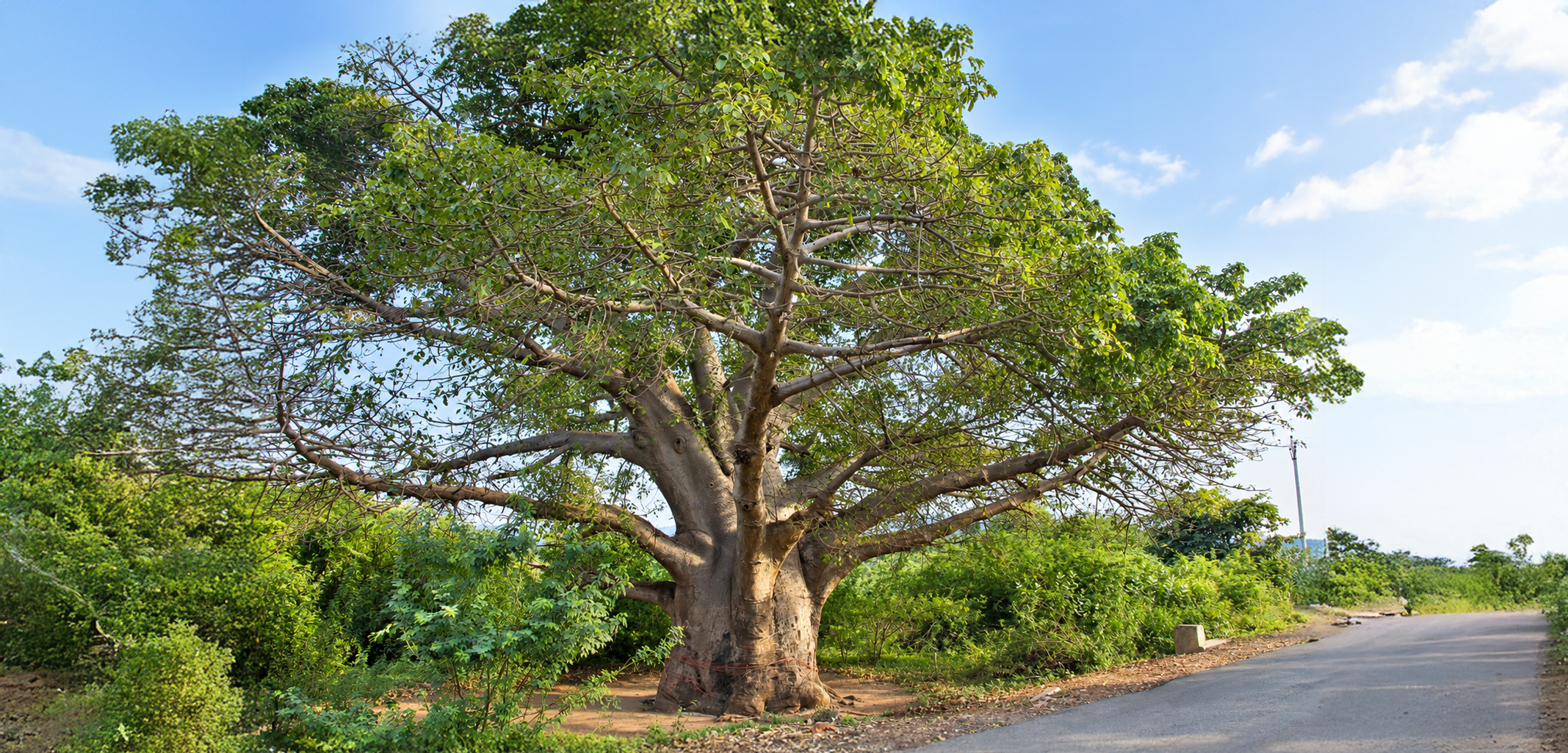
Kalpavriksha, known as the “Tree of Life” or “World Tree,” is a sacred symbol mentioned in Vedic scriptures. According to mythology, it emerged during the Samudra Manthan, alongside Kamadhenu. Revered as a wish-fulfilling tree, Kalpavriksha represents abundance, prosperity, and the fulfillment of desires in Hindu tradition.
Where Heritage Meets the Hills
Jagmeru Hills
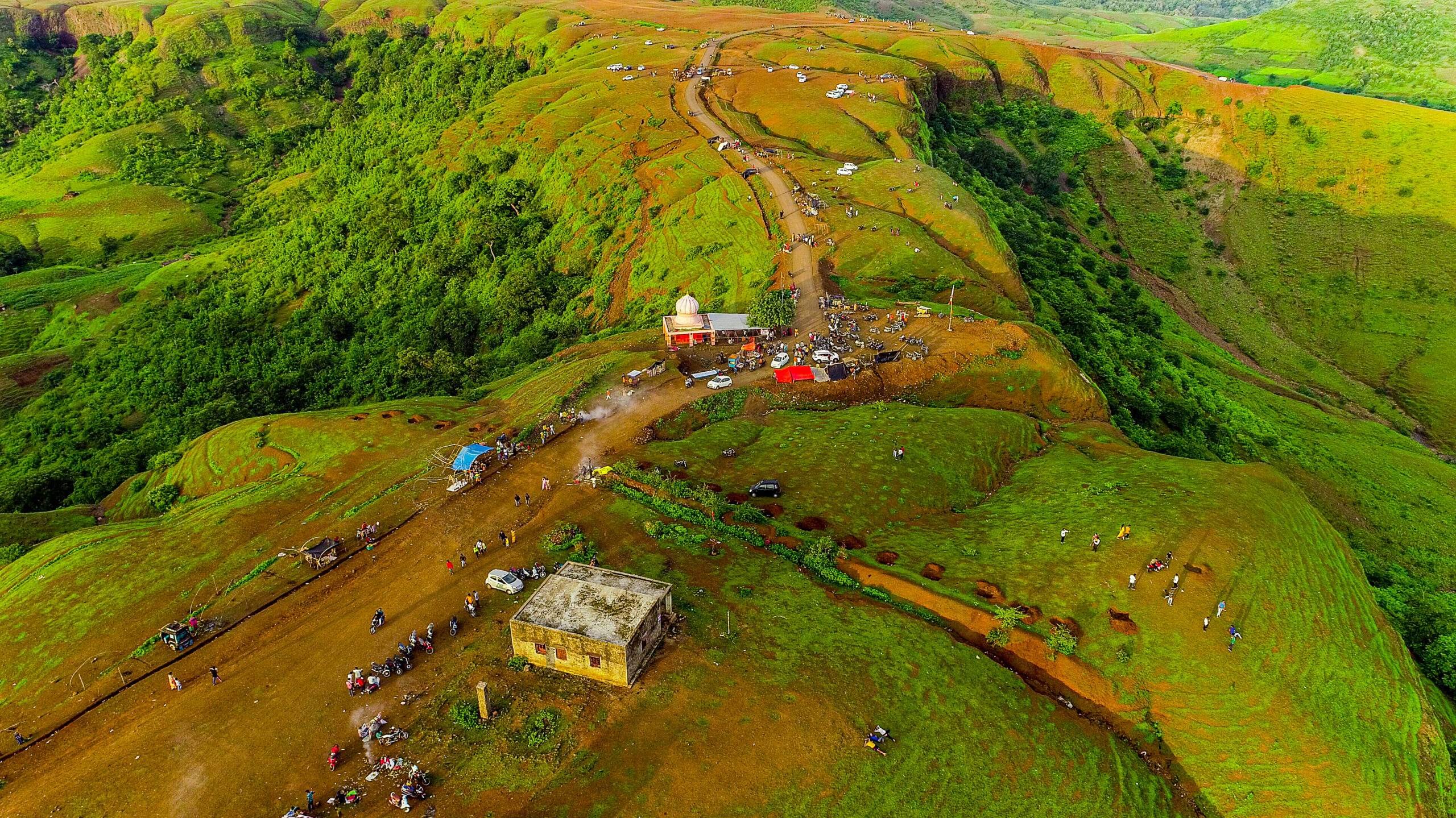
Located around 12 km from Banswara, Jagmeru Hills are a scenic escape known for their rugged terrain, lush valleys, and beautiful monsoon landscapes. Named after Maharawal Jagmal Singh, the founder of the Banswara princely state, the hills carry a strong connection to the region’s royal heritage.
A centuries-old Hanuman temple on the hilltop adds spiritual charm, while the panoramic views, greenery, and misty surroundings make Jagmeru Hills a memorable destination for nature and heritage lovers.
A Monsoon Escape into Nature
Jua Waterfall
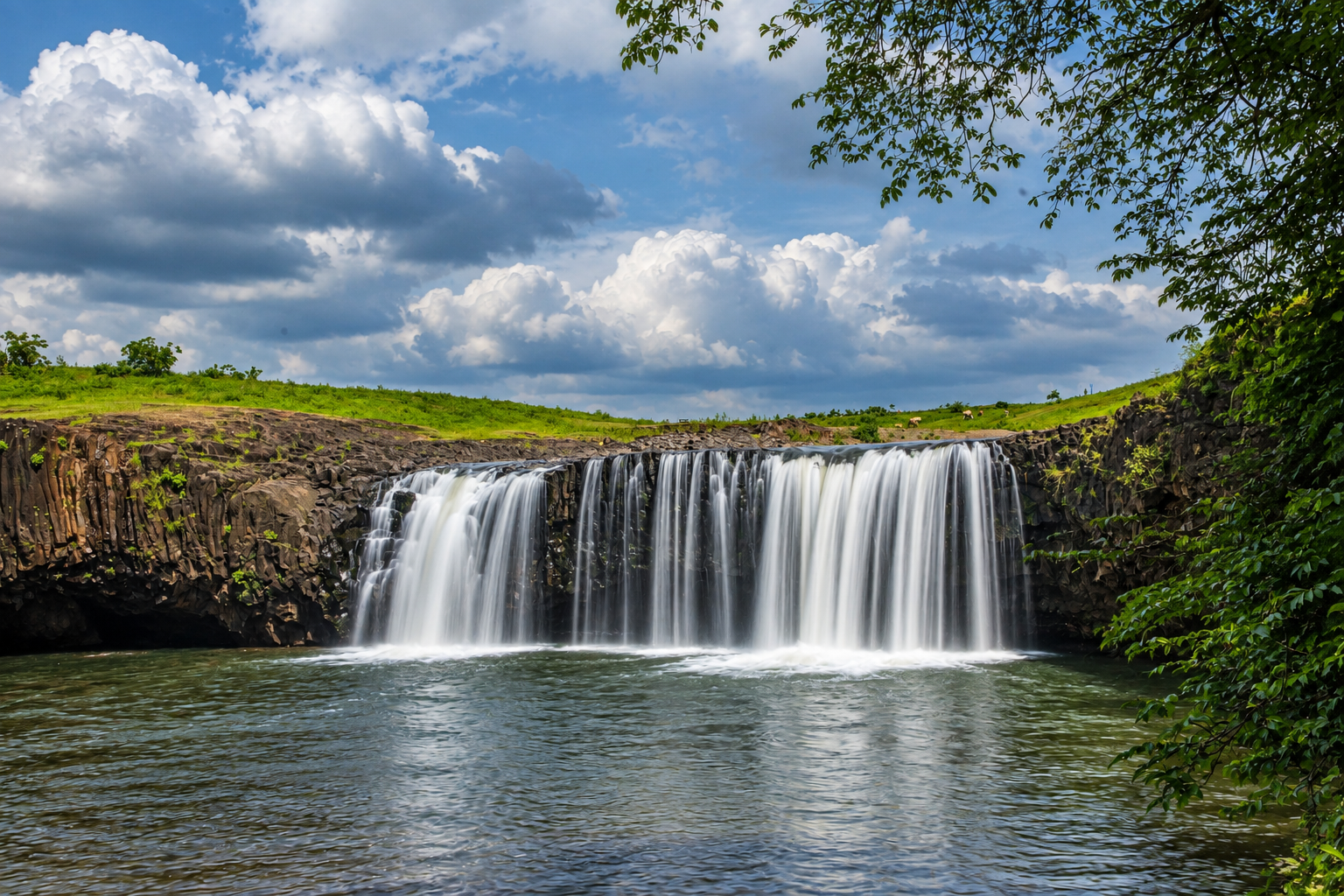
Located around 25–30 km from Banswara near the Danpur-Ratlam route, Jua Waterfall is a seasonal natural attraction that comes alive during the monsoon. Multiple streams cascade over a wide rocky landscape, surrounded by lush green hills and refreshing scenery.
Best visited between July and September, the waterfall and the nearby Shiva temple make Jua a beautiful getaway for nature lovers seeking the greener side of Banswara.
A Refreshing Monsoon Retreat
Singhpura Falls
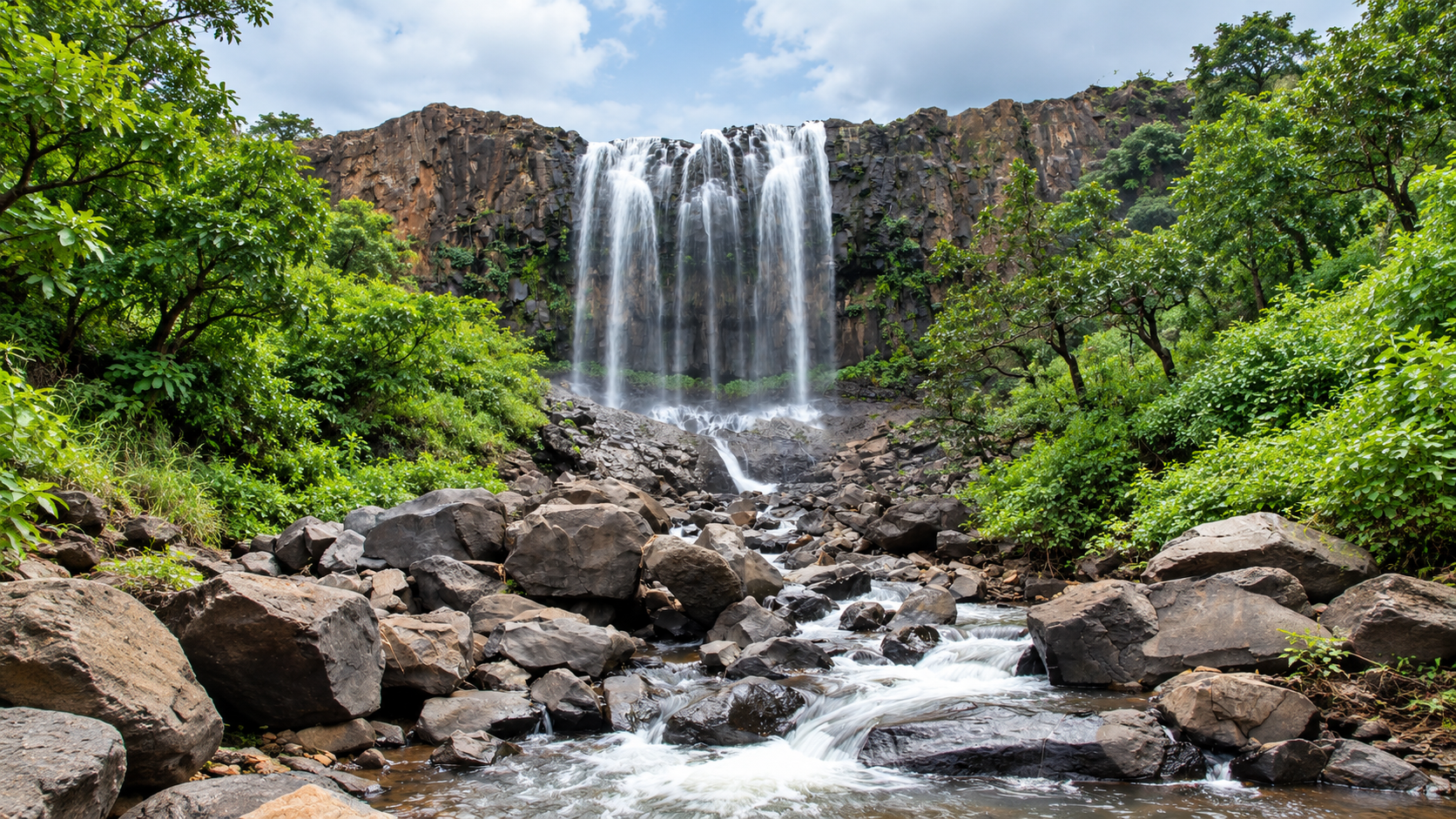
Located around 9 km from Banswara, Singhpura Waterfall is a beautiful seasonal attraction surrounded by rocky hills and lush greenery. During the monsoon, flowing water transforms the rugged landscape into a refreshing natural escape.
Best visited between July and September, it is an ideal spot for nature lovers looking to experience Banswara’s vibrant monsoon beauty and peaceful surroundings.
Where the City Meets the Waters
Kagdi Pick Up Weir
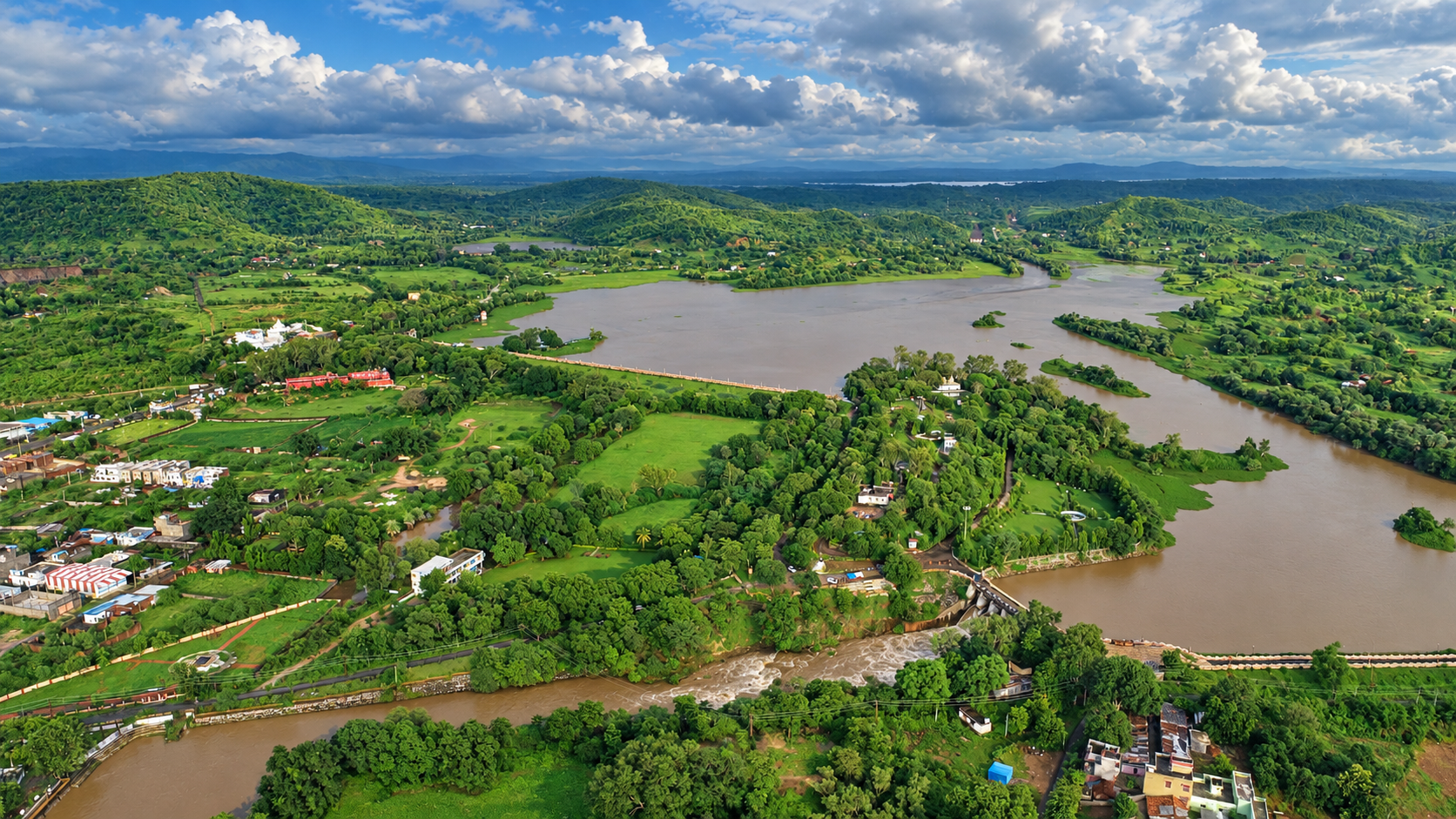
Located around 3 km from Banswara city on Ratlam Road, Kagdi Pick Up Weir is a popular scenic spot known for its calm backwaters, greenery, and peaceful surroundings. Part of the Mahi Bajaj Sagar Project, it has also become a favourite recreational destination for locals and visitors.